[email protected] | +256782442866 | Kabarole District, Fort Portal

Value Addition Rescuing Uganda’s Tea Market

Value Addition Rescuing Uganda’s Tea Market

By Stephen Ainganiza & Doreen Nasiima – Kabarole District

For decades, Uganda’s tea industry has grappled with low global prices and stagnant earnings,
especially for smallholder farmers who form the backbone of the sector. But a quiet transformation is underway.
As consumers grow more health-conscious, demand for specialty teas rises and farmers are discovering that value addition,
particularly through herbal infusions, may hold the key to revitalizing their livelihoods.

Uganda’s Tea Export Earnings 2024


A Farmer’s Innovation

In Kabarole, Willy Businge, a small-scale tea farmer under Tooro Organic Producers Association,
began experimenting with herbal blends after attending a local training on agro-processing. Inspired by growing
demand for wellness teas globally, he started blending green tea with indigenous herbs like spearmint, lemongrass,
rosemary, and ginger—all grown locally.

“My trial was to assess if people would like it, but to my surprise, they were willing to pay up to three times the
price of regular tea.” – Businge

INSERT BUSINGE WILLY PHOTO

A National Push for Value Addition

The government is also taking notice. Through initiatives by the Ministry of Agriculture, Animal Industry and Fisheries (MAAIF),
Uganda Industrial Research Institute (UIRI), and NARO, farmers are being trained in post-harvest handling, branding, packaging,
and herbal processing. Dr. Rabooni Tumuhimbise from NARO noted that value addition is the only way farmers can fetch higher prices.

INSERT RWEBITABA PRODUCTS PHOTOS

Health Benefits of Spiced Tea

Nutritionists highlight that spiced teas provide numerous health benefits, from boosting immunity to aiding digestion.
Spices like cloves, ginger, nutmeg, cinnamon, and mint are high in antioxidants and reduce inflammation in the body.
Spiced teas are also low in calories, making them ideal for weight management.

Uganda’s Tea Industry Snapshot

  • Over 80,000 farming households involved in tea production.
  • Supports more than 200,000 skilled and unskilled workers.
  • Approximately 1,000,000 people directly derive their livelihood from tea.
  • Estimated 50,000 hectares of tea in production.

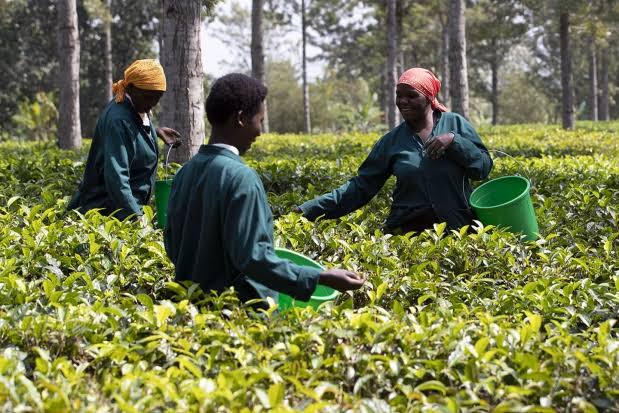
INSERT TEA PLUCKING PHOTO

In the end, Uganda’s tea story is no longer just about quantity but about creativity,
entrepreneurship, and the power of value addition to unlock new markets.



Why Change Matters in the Health Sector: Fort Portal Hospital a Model Referral

Why Change Matters in the Health Sector: Fort Portal Hospital a Model Referral – Dr. Bahizi

By Stephen Ainganiza Waddell – Communication Officer Kabarole

Fort Portal Regional Referral Hospital (Buhinga), once plagued by systemic challenges, is now emerging as a
model referral facility in the Rwenzori region. This transformation is led by
Dr. Bahizi Archbald Newton Sebahire, appointed six months ago to steer reforms in performance, accountability, and innovation.

Key Reforms

  • Strategic performance management plan
  • CCTV installed to monitor staff presence
  • Routine ward rounds & surgical coverage
  • Dismissal of underperforming staff
  • Reduced unnecessary referrals

Impact

Referrals reduced from 442 monthly to only 94 genuine cases.
Complaints of extortion addressed, sanitation improved, and staff accountability restored.
Fort Portal Hospital is now a regional model for integrated health services.

Referral Reduction After Reforms


Leadership in Action

Dr. Bahizi reports for work at 6:00 am and often leaves at midnight.
His reforms include active supervision, real-time CCTV monitoring, and accountability measures.
We must serve with integrity. As leaders in the health sector, we are here to help—not exploit.

He also organized the first-ever Annual Joint Review Mission & Regional Performance Conference to align district and national health priorities.

Looking Ahead

Plans are underway to construct a six-storey hospital block, establish the King Oyo Medical Center,
and strengthen blood collection systems.
Community outreach campaigns now focus on HIV prevention, hand washing, nutrition, and NCD awareness.

Key Takeaways

  • Shift from curative to preventive health care
  • Performance-based systems & staff accountability
  • Dismissal of underperforming staff
  • Public health education & outreach campaigns
  • Regional collaboration through joint reviews
  • Lobbying for infrastructure & partner support

“Transformative leadership inspires people to commit deeply to a shared vision and empowers them to act.”

Under Dr. Bahizi’s guidance, Fort Portal Hospital is no longer struggling—
it is now a model of hope and health sector transformation in Uganda.


Kabarole Farmers Embrace Climate-Smart Agriculture

Kabarole Farmers Embrace Climate-Smart Agriculture

By Ainganiza Stephen – Kabarole District

The Kabarole District Production Team, in collaboration with selected bee keepers, embarked on a series of
farmers’ exchange–learning visits in the Rwenzori region to explore modern farming, bee keeping, fish farming, and processing projects.

According to Dr. Dean Kusiimakwe, Veterinary Officer and Focal Person for the Uganda Climate-Smart Agricultural Transformation Project (UCSATP),
the goal was to benchmark effective climate-smart strategies to enhance productivity.

Knowledge Transfer

Farmers visited projects like Kabarole Bee Keepers Association,
BIGLAD Agri-Tourism Farm in Kanyambeho, and the Bunyangabu Bee Keepers Cooperative.
They learned innovative practices in bee keeping, processing, fish farming, and agri-tourism.

Farmers’ Impressions

Participants returned inspired. Patrick Akugizibwe pledged to rejuvenate his macadamia plantation and apiary,
while Immaculate Katushabe highlighted the untapped market potential for honey.
Bagonza Adolf stressed the need for a bee policy and funding in the national budget.

Adoption of Climate-Smart Practices


Key Voices

Dr. Kusiimakwe: “When farmers tour modern farms, they acquire knowledge and new skills they apply at home to boost income.”

Clouds Philbert, Entomologist: “This initiative boosts implementation of the Climate-Smart Agricultural Project and enhances resilience.”

Hon. Bahat Milton: “Registering farmers under UCSATP and strengthening groups will increase productivity and income.”

About UCSATP

The Uganda Climate-Smart Agricultural Transformation Project (UCSATP) is a six-year initiative by the
Ministry of Agriculture, Animal Industry, and Fisheries (MAAIF), working with NARO and UNMA.
It aims to increase productivity, market access, and resilience while enabling effective crisis response.


Rwenzori Leaders Call for Mandatory Sickle Cell Screening Before Marriage Amid Alarming Rise in Cases

Rwenzori Leaders Call for Mandatory Sickle Cell Screening Before Marriage Amid Alarming Rise in Cases

By Stephen Ainganiza – Communication Officer Kabarole

At the annual Joint and Integrated Regional Performance Review Conference held at Fort Breeze Hotel in Fort Portal, leaders from the Rwenzori region issued a strong recommendation:
couples intending to marry in church should be required to present a certificate confirming they have undergone sickle cell screening.
This comes in response to a troubling surge in sickle cell cases reported across health facilities in the region.

Hospital Cases

Dr. Beatrice Komugisa, pediatrician at Fort Portal Regional Referral Hospital, revealed that the hospital has registered over 600 patients suffering from sickle cell disease.

She emphasized the social burden: “Many mothers are left to struggle alone after fathers disappear.”

District Cases

Dr. Richard Rwabuhinga, Kabarole District Chairperson, cited 5,527 cases in the district, calling for intensified awareness campaigns and early testing.

Sickle Cell Burden in the Rwenzori Region


Expert Recommendations

Dr. Komugisa advocated for mandatory screening before marriage, particularly for couples planning church weddings.
Her proposal was echoed by Dr. Bahizi Archbald Newton Sebahire, who stressed that this could eliminate sickle cell disease from the region within a decade.

The conference also brought together District Health Officers, RDCs, RCCs, Chairpersons, consultants, health educators, media, religious leaders,
and development partners to track progress in health service delivery and strengthen accountability.

About Sickle Cell Disease

Sickle cell disease is a genetic disorder that affects hemoglobin production, causing red blood cells to become misshapen.
This leads to chronic anemia, painful episodes, infections, and potential organ damage.

Mandatory screening could be a turning point in prevention and public health reform for the Rwenzori region.